If you’ve got a love for the great outdoors and want to get on the road with your truck, there are some things you should know. Overlanding is fun, but it can be tough to get started. To build an overlanding truck capable of handling everything you may encounter, you’ll need proper gear and lots of preparation.
Don’t worry, we’ve got you covered with this guide full of the best overlanding tips! From planning your trip to packing, we’ll make sure you have everything you need to get to expert road warrior level in no time.
Introduction: What is Overlanding and why should I do it?
Overlanding is a way of adventuring that has picked up a ton of speed in the last few years. Overlanders are people who enjoy traveling through remote areas where there may be limited roads or paths. This method of traveling combines camping, backpacking, hiking, mountain biking, and road cycling – usually all done from a main platform, the overlanding truck.
Finding the Right Overlanding Truck for You
Not all trucks are created equal. If you’re looking for a truck to use on the road, make sure it can handle the conditions you’ll be driving in. You want a truck that can be modified for adventure and can take whatever the land may throw at it.
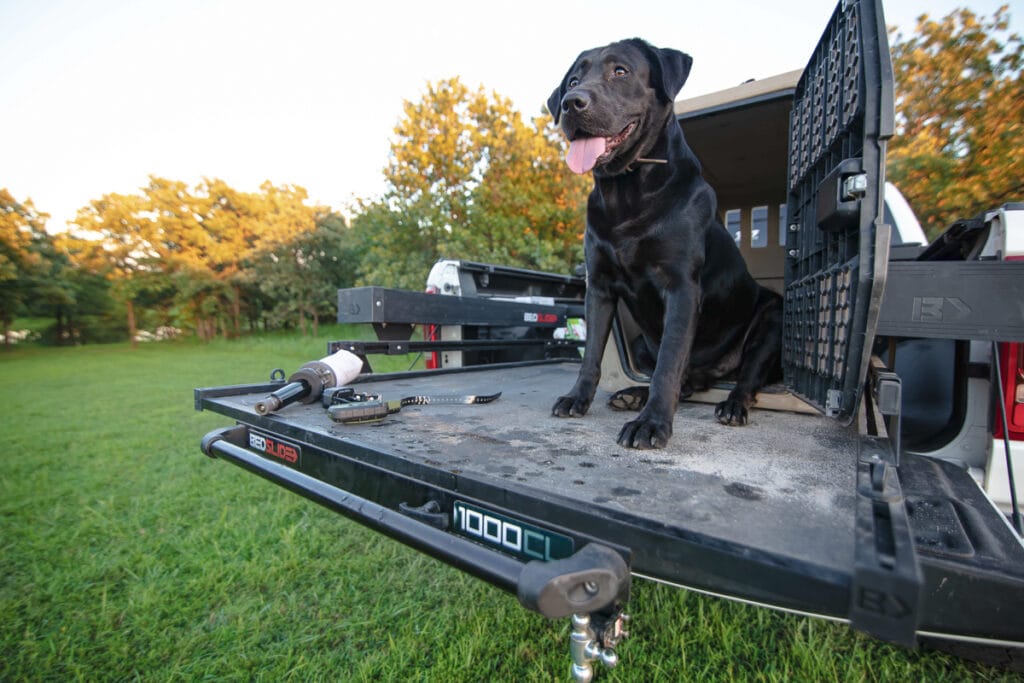
You also want to consider your budget when deciding on what kind of truck to buy. Think about types of terrain you will be driving through, how much gear you need to carry with you, and which passengers or furry friends will be along for the ride.
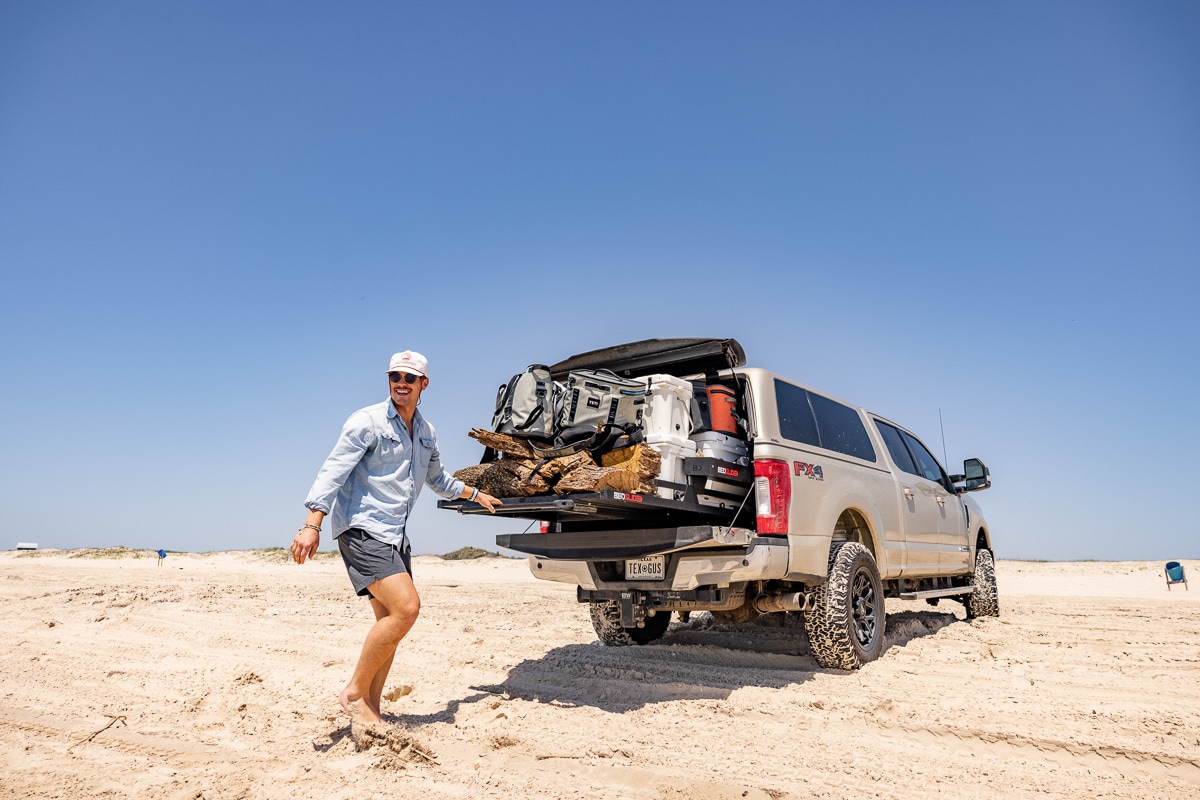
While you’re browsing, make sure you look for vehicles with Gross Vehicle Weight Rating that includes ALL of your planned cargo including the vehicle’s curb weight, passengers, fuel, accessories such as a truck cap, BedSlide, roof rack, and towed items.
Does an Overlanding Truck need to be 4WD?
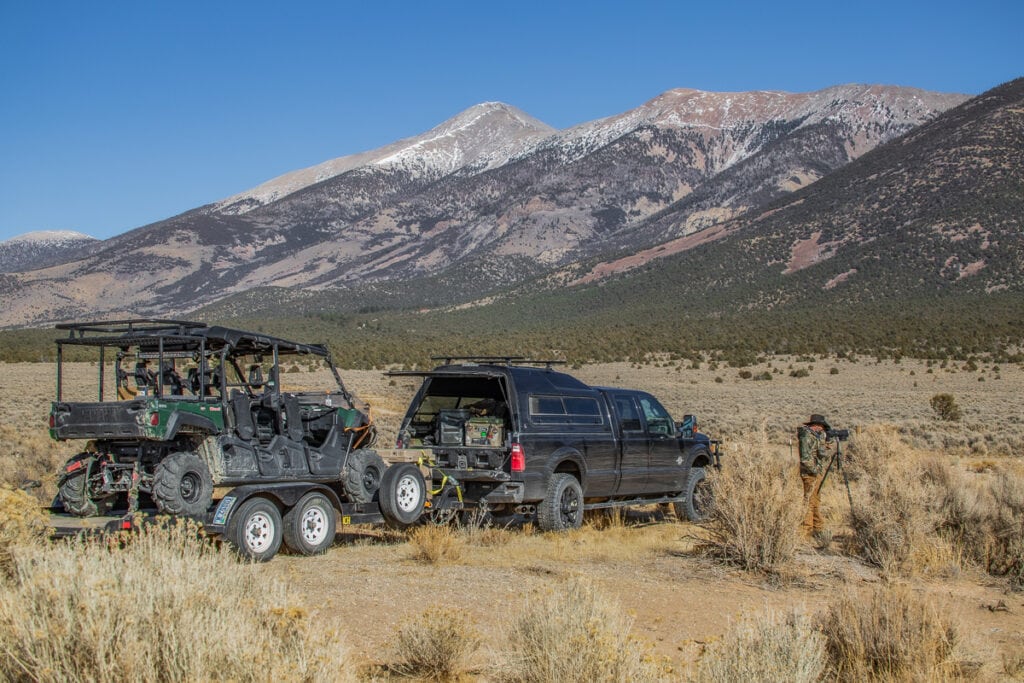
A lot of people interested in overlanding want to know if their vehicle needs to have 4WD. The answer is: most likely. Enthusiastic overlanders like to drive to the limit, through dirt and mud, rain and snow, unkempt trails and backwoods. These feats can’t be accomplished in a vehicle that doesn’t have 4WD or AWD.
Many overland vehicles also make use of advanced technology and aftermarket support. Things like varying drive modes, locking rear differential, mud terrain tires, four wheel drive, and a skid plate can make your time on the road as comfortable as possible.
Depending on your goals, different trucks and SUVS may be great choices. Busy families who have limited time but want ready-to-go weekend exploration might find the perfect solution in a Land Cruiser or Land Rovers. Others who want to save their budget for customizable uprades will find a nimble, easily-customizable frame in a Ford F-150 or Jeep Gladiator. Finally, crews with a lot of people and cargo to transport will be best served with a full size pickup truck complete with a Leer camper shell for storage and protection.
Before investing in a new vehicle for overland adventures, spend a lot of time on the road in any car. Lots of people start in something like a Toyota 4Runner before they build the perfect overlanding truck to suit their needs. This willhelp you make sure that you like the lifestyle before getting too invested.
Some people get out there and quickly realize they’re not a fan of campsites, unfamiliar routines, and the inevitable speed bumps that are encountered on the road. You don’t want to be that person! A simple way to fix this is take a short off road drive close to home for a picnic and you’ll start to get a sense of what you like and what you need.
Consider Using the Truck You Already Have
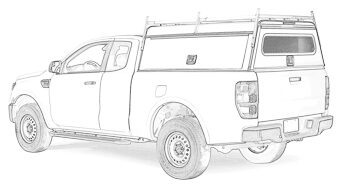
Do you already have a pickup that you’ve been using around town, perhaps in a shop or on a ranch? That’s the perfect way to start! You can outfit many years, makes and models of trucks with equipment like tonneau covers and storage options to maximize your space.
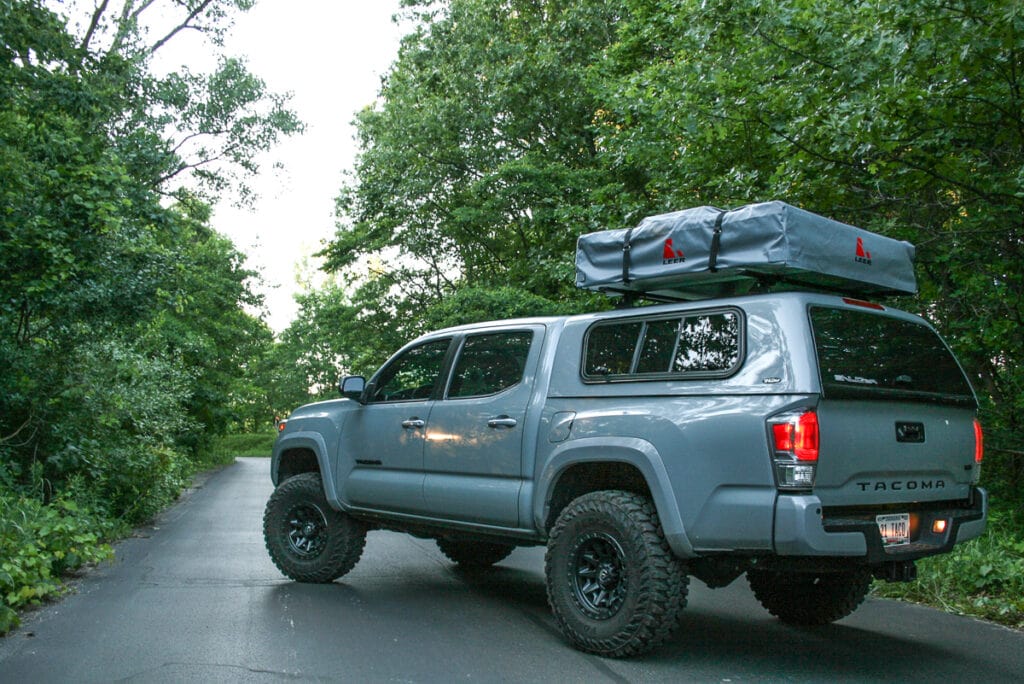
You may not have the ideal cab length or the perfect bed, but almost any truck can be a mobile adventure base with the right rack and a rooftop tent.
What Should Kept be in your Overlanding Truck?
So you’ve bought a truck, collected some adventure gear, and are starting to prepare for your trips. What do you do next? You might be wondering what should be put in all of your overlanding truck’s space. There are definitely some things that might not be obvious to new adventurers.
- First Aid Kit. You never know what kind of trouble you might encounter when you head into the wild. From scrapes to headaches, have the basics ready for when the road gets unsteady.
- Knife. It’s important to keep one on hand at all times so it can be accessed easily during emergencies. Whether you forget the cooking utensils or need to fight off a pack of wolves in a blizzard, a knife is a versatile piece of equipment.
- Fire Extinguisher. The strangest things can happen in the “bush”. Whether something catches fire at the campsite, someones engine does something unexpected, or a catalytic converter sits on some dry grass sparking a fire, this tool can help save you and your campsite.
- Jumper Cables. There are no street lights off-road and lights drain batteries when setting up camp. These are the smack your forehead “oh man” tool so many forget to have on hand and such a simple fix.
- Basic Tool Kit. Whether fixing tires or splicing wires, it’s very useful to have simple tools handy. Pro-Tip, soft cases are easy to store and make a lot less noise in the back of the truck.
Think through gear that you’ll want for your specific destination and activities. If you’re camping, you’ll need provisions such as MREs, a cookset and utensils. Hunting? Don’t forget to make space for the rifles!
Fishermen will probably want truck rod holders for their poles and reels. Depending on their profession, working men and women on-the-go may need extra electrical outlets, space for photography equipment, or tactical rescue supplies.
Getting your Overlanding Truck Ready for the Road
You want to make sure that your vehicle is safe and has everything you need for a successful trip.
- First, check your tire pressure. Check the spare tire pressure, while you’re at it. Refill lube and brake fluid if necessary, check for leaks, and replace any worn parts like fan belts.
- Second, you should make sure to have enough gas for the journey ahead. Fill up before hitting the road so you don’t run out when you get stuck in a remote area. A lot of overlanders like to have a second or upgraded tank installed so they don’t need to stop as often.
- Third, think about what type of weather conditions you may encounter, and pack accordingly. If there is snow or ice forecasted where you’re headed, bring tire chains with you just in case. Always bring plenty of water.
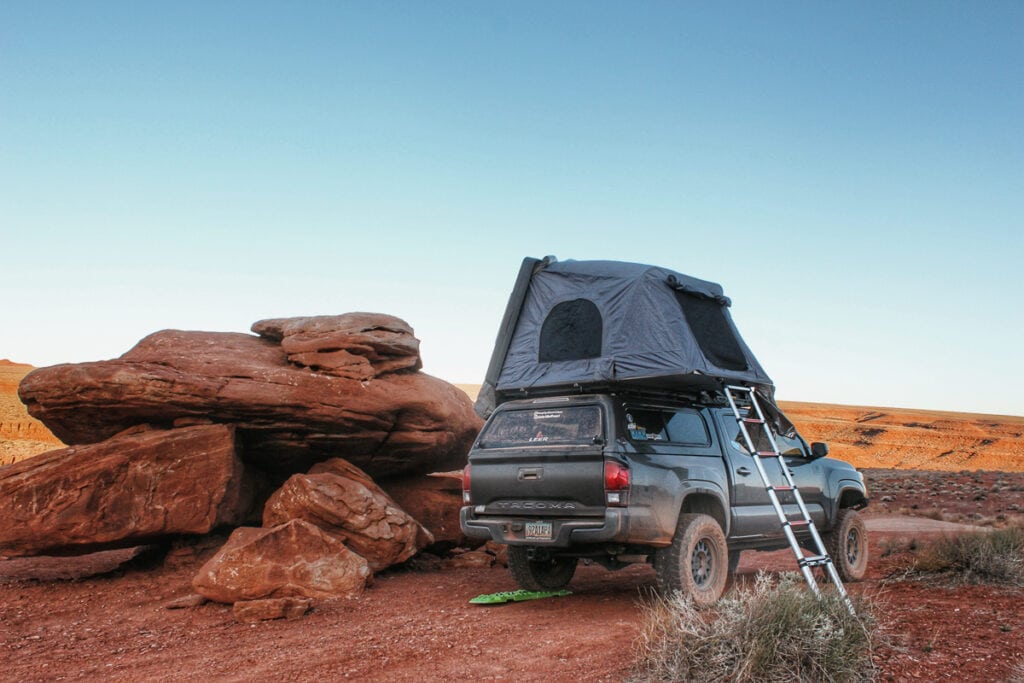
With overlanding trucks, there tends to be additional wear and extra safety precautions needed. Many overlanders like to carry vehicle recovery boards in case they get stuck in a particularly sandy or muddy area. You’ll often see overlanders carrying extra gas cans, jugs of water, rope, solar chargers, radios for communication, self defense items, and GPS systems to help navigate when cell reception is poor.
Making your Overlanding Plans
Decide on destinations, budgets, packing lists, and layout within the truck. If friends and family are coming along on your trips, consider seating arrangements. It’s also important to think through where pet companions will lay their heads.
Once you have an idea of what your trips will look like, it’s easy to choose the right gear and prepare for key aspects of the overland travel experience.
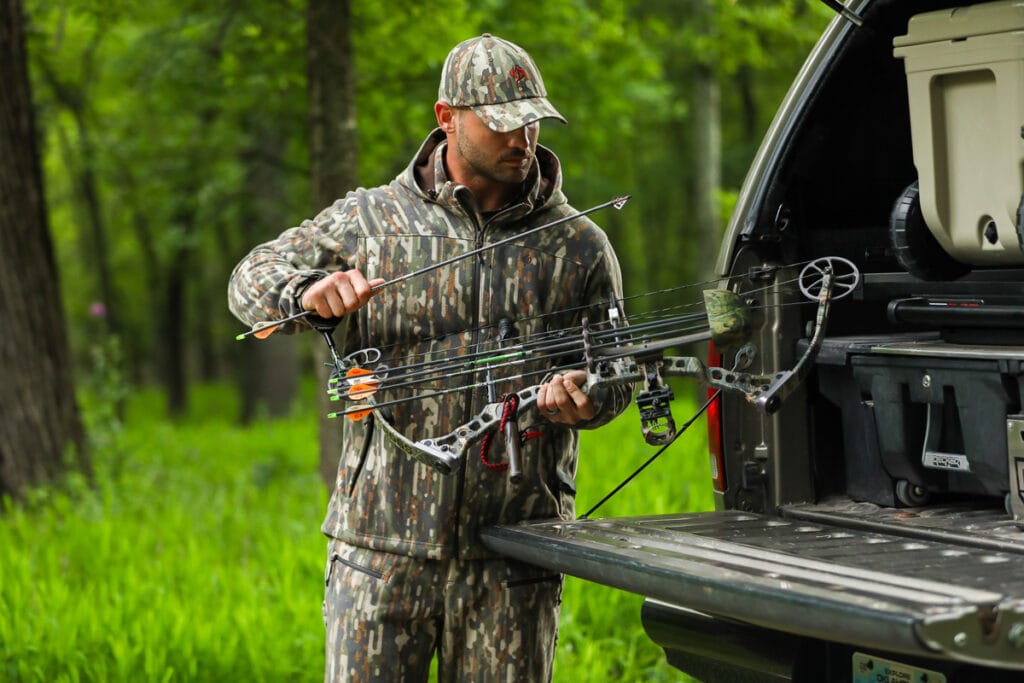
Before getting too far out there, take a few short trips to test everything out. This is a good way to ensure there aren’t any weaknesses that need repairing before you go. Taking trial runs will also help you make any major layout or organization tweaks before you’re too far from home.
Finally, communicate with friends and family about where you’ll be. It’s a good idea to leave a rough map and timeline, and check in on a regular basis. Just like adventures in boating, hiking, or cycling, there are inherent risks on the road. Prepare thoroughly, and keep people informed so they don’t worry about you.
Do you have an overlanding truck yet? Share any questions you may have in the comments!